The Best Vegan Restaurants in Koh Phangan
Koh Phangan is one of the easiest islands in Asia to eat plant-based on. Here is where to go, what each place is actually best at, and the one gap nobody tells you about.
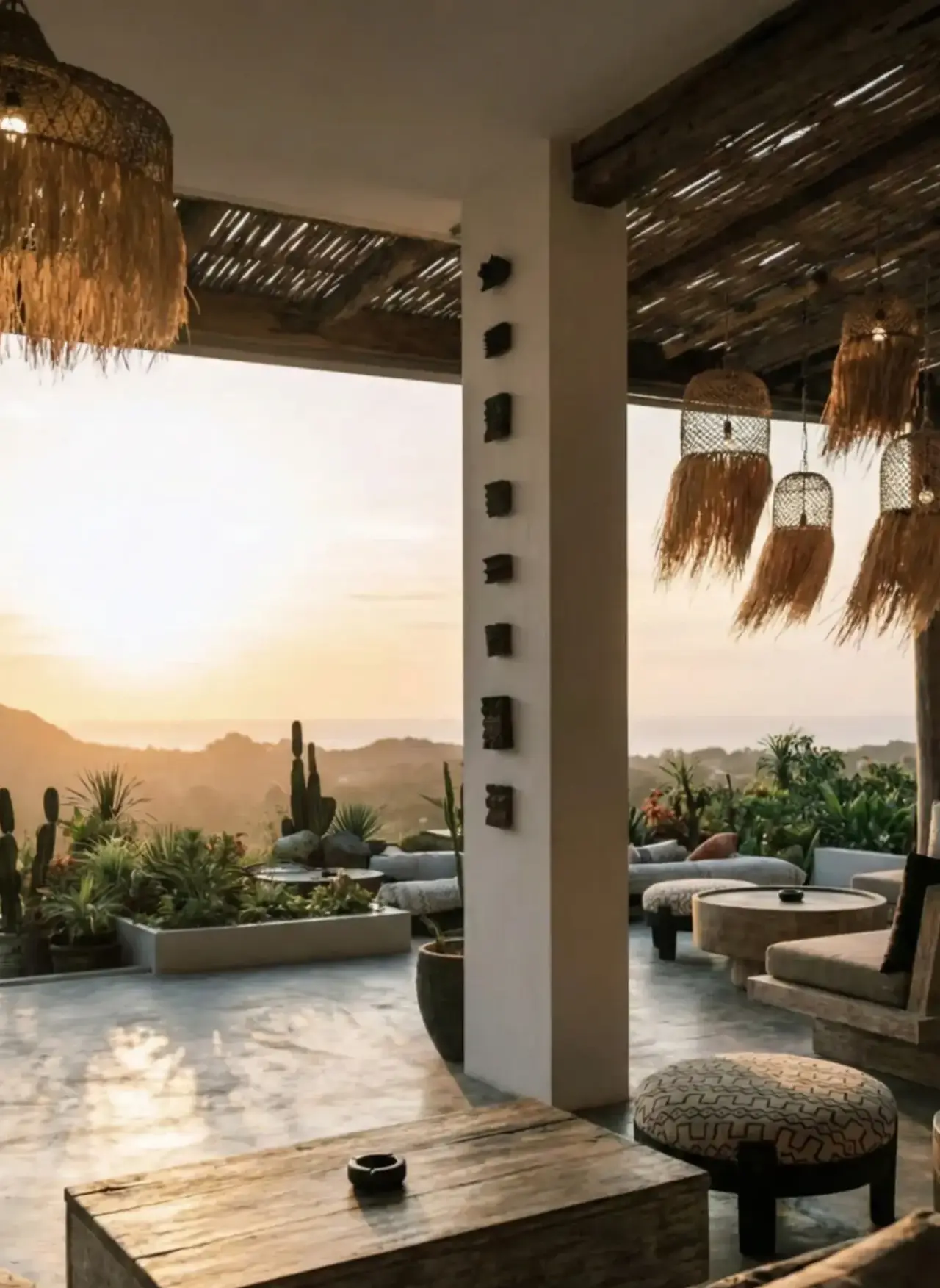
The reason Koh Phangan is so good for plant-based eating has nothing to do with tourism and everything to do with the yoga community that settled around Srithanu on the west coast. Almost every fully plant-based kitchen on the island sits within a few minutes of that one village.
That concentration is a gift if you are staying nearby and an inconvenience if you are not. It also creates one specific gap, which we will come to.
Where to eat
Pure Vegan Heaven
Garden restaurantSrithanuA long lunch
Lush garden setting on the Srithanu strip, fully plant-based, and the most consistently recommended kitchen on Koh Phangan for good reason. The menu runs from raw plates through to properly cooked Thai and Western dishes, so it suits a table that cannot agree. Busy at lunch; go before noon or after two if you want the quiet corner.
Deli Devi
Café & deliSrithanuVegan cheese and cake
Something of an island institution, and the reason is the cheese. House-made cashew and nut cheeses, plus a cheesecake that people plan their week around. Also the most reliable place on Koh Phangan for vegan baking to take away, which matters if you are staying somewhere self-catering.
Taste From Heaven
Thai vegetarianSrithanuKhao soi and curries
Thai vegetarian, almost entirely vegan in practice, and the best khao soi on the island in most reckonings. Curries are the thing to order — they are cooked with coconut rather than thinned out, and the heat is real if you ask for it. Long-standing, unfussy, and cheap for what it is.
Karma Kafé
CaféSrithanuPresentation and service
Wholefood cooking with a raw-leaning menu, in the middle of the Srithanu wellness cluster. Smoothie bowls and juices in the morning, bigger plates later. The kind of place where the yoga class you just left is sitting at the next table.
Eat.co
CaféSrithanuBreakfast and bowls
A more contemporary, café-style kitchen doing plant-based bowls, burgers and sandwiches well. The best answer on Koh Phangan when you want plant-based food that is not health food — properly seasoned, generous, and quick.
Foods & Roots
CaféSrithanuWholefood plates
Small, wholefood-focused and genuinely committed to unprocessed cooking. Where to go if the analogue burgers and processed vegan products elsewhere are not what you came to Thailand for.
Kia Ora Café
CaféSrithanuSmoothie bowls and loaded toast
Relaxed all-day café with strong coffee and a plant-based menu that covers breakfast properly — which, as this guide keeps saying, is easier to find on Koh Phangan than dinner.
Secret Mountain
Restaurant (dinner)Central hillsA plant-based dinner that feels like an occasion
Ours. Relevant here because it fills the island’s obvious gap: proper plant-based cooking in an evening restaurant with a view, rather than a daytime café. Two-thirds of the menu is plant-based and the rest is wild-caught seafood, with no land meat anywhere on it.
The gap: dinner, and everything around it
Here is the thing nobody puts in the guides. Koh Phangan’s vegan scene is overwhelmingly a daytime scene. It is built around breakfast bowls, long lunches and afternoon cake, for a community that eats early and practises early.
Several of the best-loved places close between lunch and dinner, and a few shut for the evening entirely. If you arrive in Srithanu at 19:30 expecting the full run of options, you will find a much shorter list than the one you read about.
So the practical advice is: treat the Srithanu cluster as a lunch plan, and make a separate plan for dinner. Check hours before you ride over — this is the single most common complaint we hear from plant-based visitors.
Our stake in this
We are on the list above, so read our entry with that in mind. We included ourselves because we fill exactly the gap this section describes — an evening restaurant that cooks plants seriously, rather than a café that closes at five.
What that means concretely: our plant-based menu is entirely free of eggs, dairy and land meat — seventeen dishes and every dessert. We are adults-only, and open every day from midday to 21:00. For a fully-vegan venue rather than a split kitchen, Pure Vegan Heaven and Taste From Heaven are both excellent and worth your time.
Eating vegan at a normal Thai restaurant
You will not spend every meal at a dedicated vegan kitchen, and you should not want to — some of the best eating on Koh Phangan is at ordinary Thai places that will happily cook without animal products if you ask properly. These are the dishes that convert cleanly:
Pad pak ruam
Stir-fried mixed vegetables. On every menu on the island, naturally vegan once the oyster sauce is left out, and reliably good.
Green or massaman curry with tofu
Both are coconut-based already. Ask for no fish sauce and check the paste — some contain shrimp, and most kitchens on Koh Phangan will tell you straight if you ask.
Som tam jay
Green papaya salad without the fish sauce and dried shrimp. Say jay and it usually arrives correct.
Pad thai jay
The version without egg or fish sauce. Widely understood, and the fallback that exists everywhere on the island.
Tom kha het
Coconut soup with mushrooms instead of chicken. Ask for no fish sauce; the galangal and lemongrass carry it easily.
Sticky rice with mango
Vegan by default — coconut milk, rice, fruit. The easiest dessert to order anywhere on Koh Phangan.
The one to be careful with is anything described as vegetarian at a tourist-facing place that has not thought about it — egg turns up in fried rice and noodle dishes as a matter of course. Say mai sai kai, no egg, and you are covered.
Groceries and self-catering
If you are staying somewhere with a kitchen, Koh Phangan is easier than most Thai islands for plant-based shopping. Thong Sala has the largest supermarkets and the best fresh produce, and the health-food shops around Srithanu carry the things the supermarkets do not — nut milks, tofu and tempeh, nutritional yeast, tahini, and a reasonable range of gluten-free flours.
Fresh produce is the real value. The markets sell fruit and vegetables for a fraction of supermarket prices, and the quality is better. Morning is when to go, at Thong Sala for the biggest selection, and take a bag — plastic is not always offered and increasingly not wanted.
Where to base yourself
This matters more on Koh Phangan than on most islands, because the plant-based scene is not spread evenly — it is concentrated almost entirely in one village. Where you sleep decides how much riding you do to eat.
Srithanu — the obvious choice
Almost every dedicated vegan kitchen on Koh Phangan is here or within a few minutes of it, alongside the yoga schools that created the demand. If plant-based eating is the priority, stay here and you can walk to most of this list.
Thong Sala — the practical compromise
The island's main town, ten minutes from Srithanu, with the night market, the pier and the best grocery shopping on Koh Phangan. Fewer dedicated vegan kitchens, but the market has more plant-based street food than anywhere else on the island.
Ban Tai and the south — fine with a scooter
Quieter, cheaper, and about fifteen minutes from Srithanu. Workable if you are confident riding; frustrating if you are not, because the good lunch places are all a journey away.
Haad Rin and the east — plan ahead
The furthest from the plant-based cluster, and the east-coast roads are slow. Doable for a few days, but you will be ordering vegetarian off Thai menus more often than eating at dedicated vegan restaurants.
Breakfast, coffee and the daytime scene
Breakfast is the meal Koh Phangan does best for plant-based eaters, and by some distance. The Srithanu cafés open early for the post-yoga crowd, and almost all of them will do oat, almond or coconut milk without being asked twice — a request that is still awkward in much of Thailand.
Expect smoothie bowls, chia puddings, sourdough and avocado, tofu scrambles and proper espresso. Coffee culture here is genuinely good: the island has a run of small roasters and cafés that take it seriously, which is not something you can say of every Thai island.
Fresh fruit is the other thing worth building into a morning. Thong Sala market and the roadside stalls sell mango, papaya, dragon fruit, mangosteen and rambutan for very little, and a bag of it is the cheapest good breakfast on Koh Phangan.
Ten tips for eating vegan on Koh Phangan
Most of these come from watching people get caught out by the same things.
- 1Learn one word: jay. Pronounced roughly "jay", it signals strict vegan in a Thai context — no meat, no fish sauce, no egg, no dairy. Saying "gin jay" is understood almost everywhere on Koh Phangan and works far better than explaining in English.
- 2Fish sauce is the default, not an ingredient. It is in most curries, som tam and stir-fries unless you say otherwise. Ask for mai sai nam pla — no fish sauce — and also mention oyster sauce, which is a separate thing.
- 3Check the hours before you ride. The single most common complaint we hear. Afternoon closures are normal, and low-season hours are shorter still. A twenty-minute ride to a closed café is a bad end to a day.
- 4Treat Srithanu as lunch, and plan dinner separately. The wellness kitchens are built around a community that eats early. This is the one real gap in an otherwise excellent scene.
- 5"Vegetarian" here usually means vegan in practice. Several Koh Phangan kitchens describe themselves as vegetarian but use no dairy or egg at all. Ask rather than assume the worst — the answer is usually yes.
- 6The night market is more plant-based than it looks. Thong Sala's market has roti, spring rolls, fresh juices, sticky rice with mango, corn, and several vegetarian curry stalls. It is also the cheapest eating on the island by a wide margin.
- 7Coconut milk does the work dairy does elsewhere. Thai cooking is naturally close to plant-based in its base — curries, soups and desserts are built on coconut rather than cream, which is why so much of the menu converts easily.
- 8Bring a way to carry water and fruit. Between the heat and the distances, the gap between meals is longer here than you expect, and the good places are not near each other.
- 9"Sugar-free" rarely means no sugar. It usually means no refined sugar. Dates, agave, palm sugar and maple are all still sugar, and a raw dessert can carry as much as a conventional one.
- 10Book anything that matters in high season. Between November and March the good tables on Koh Phangan go early, and that applies to the plant-based places as much as anywhere.
Practical notes
Check the hours, every time
Worth repeating because it is the thing that ruins evenings. Afternoon closures are normal here, and low-season hours are shorter still.
“Vegetarian” usually means vegan-friendly
Several places describe themselves as vegetarian but are almost entirely vegan in practice. Ask — the answer is usually yes.
Thai food is easier than you expect
Outside the dedicated vegan places, most Thai kitchens will happily cook without fish sauce or oyster sauce if you ask. The phrase worth learning is jay, which signals strict vegan in a Thai context.
Budget
The Srithanu cafés sit around THB 150–250 a dish. Restaurant dinners run higher, in the THB 150–520 range. Neither is expensive by island standards.
Frequently asked questions
Is Koh Phangan good for vegans?
Yes — among the best islands in Thailand for it, thanks to the yoga community around Srithanu.
Where are the vegan restaurants?
Almost all of them are in or beside Srithanu on the west coast, within a few minutes of each other.
Where can I get a vegan dinner?
Fewer options than at lunch. Check evening hours in Srithanu, or choose a restaurant that cooks plants seriously in the evening.
Is there upscale vegan food on the island?
Very little. The scene is deliberately casual — which is part of its charm, but it does mean there is not much choice for a special occasion.
More guides
Feeling Fancy? One Good Dinner Is Worth It
You have eaten 60฿ pad thai for nine days and you are wondering whether one expensive meal is allowed. It is. Here is how to pick it.
Hiking on Koh Phangan
Seventy per cent of this island is jungle. Eight walks from twenty minutes to a half day, with honest notes on heat, footwear and getting lost.
Sustainable Seafood & Sourcing on Koh Phangan
What "sustainable" actually means for fish in the Gulf of Thailand, why wild-caught is not automatically better, and what we do and do not claim.